Bajah: High prices reveal distance from the social state in Morocco
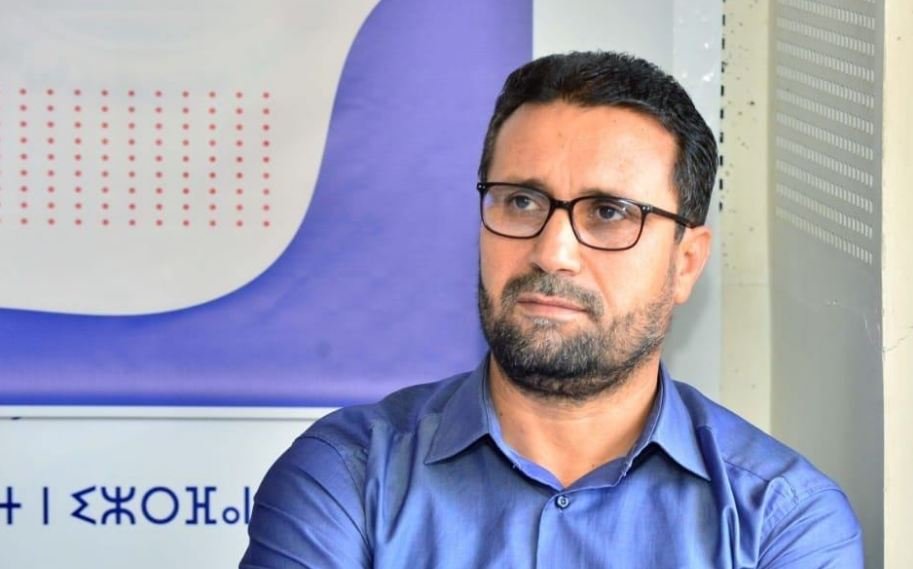
Hassan Banajeh, a member of the political circle of the "Justice and Charity" group, said in a blog post published on his personal Facebook account that the continuous rise in prices shows that Morocco is far from the claim of the social state, according to what he published...

Listen to the article
AI-generated narration
Hassan Banajeh, a member of the political circle of the "Justice and Charity" group, said in a blog post published on his personal Facebook account that the continuous rise in prices shows that Morocco is far from the claim of the social state, according to what was published by the "Lakm" website on November 7, 2026.
He considered that saying that prices are determined by the laws of supply and demand is unreasonable in a country where justice, transparency and accountability are absent. He saw that prices under tyranny, corruption and rents are controlled, as he put it, by greedy groups and a few who control the joints of the market. producing poverty and perpetuating authoritarianism.
He successfully linked the high prices to what he described as the "indexation trap", considering that it makes the citizen a hostage to brokers, speculators and major beneficiaries. He questioned the possibility of implementing a decision of this magnitude in light of the inability of governments, according to him, to fight the simplest manifestations of corruption, and their lack of the necessary authority over the competent administrative and supervisory bodies. He described the high cost as a "major crime", for which he bears responsibility, according to him. Everyone who contributed to what he called the "deception of the assay" and to ignoring the calls she was warning about.
He was accused of being part of the entrenched decision-makers by the successful corrupt and corrupt bigwigs and profiteers. He stressed that the people do not benefit from the accumulated savings from the clearing fund as he said he was deluded to do, and that the executive, legislative, and judicial organs do not protect him from those who plunder the basics of his livelihood. And that the intermediary bodies do not perform their role of defending their interests.
He successfully compared Morocco's situation with the protests of the peoples of Europe with high per capita income, which rose up against economic and social pressure, wondering about Morocco's situation in light of the fragility of classes, limited income and high prices of basic materials. He wondered how the state does not realize the seriousness of the situation and delays taking serious structural measures, noting that the crisis has exhausted the middle class and destabilized it. And that the situation of low-income groups does not tolerate any postponement.
Source: Lakm - https://lakome2.com/politique/436989/
Share
Scan the code to open the article in WeChat
💬 Comments (0)
Join the Conversation
Comments are reserved for registered members. Create your free account to join and interact with BusinessPress+
Free — no payment required
Be the first to comment